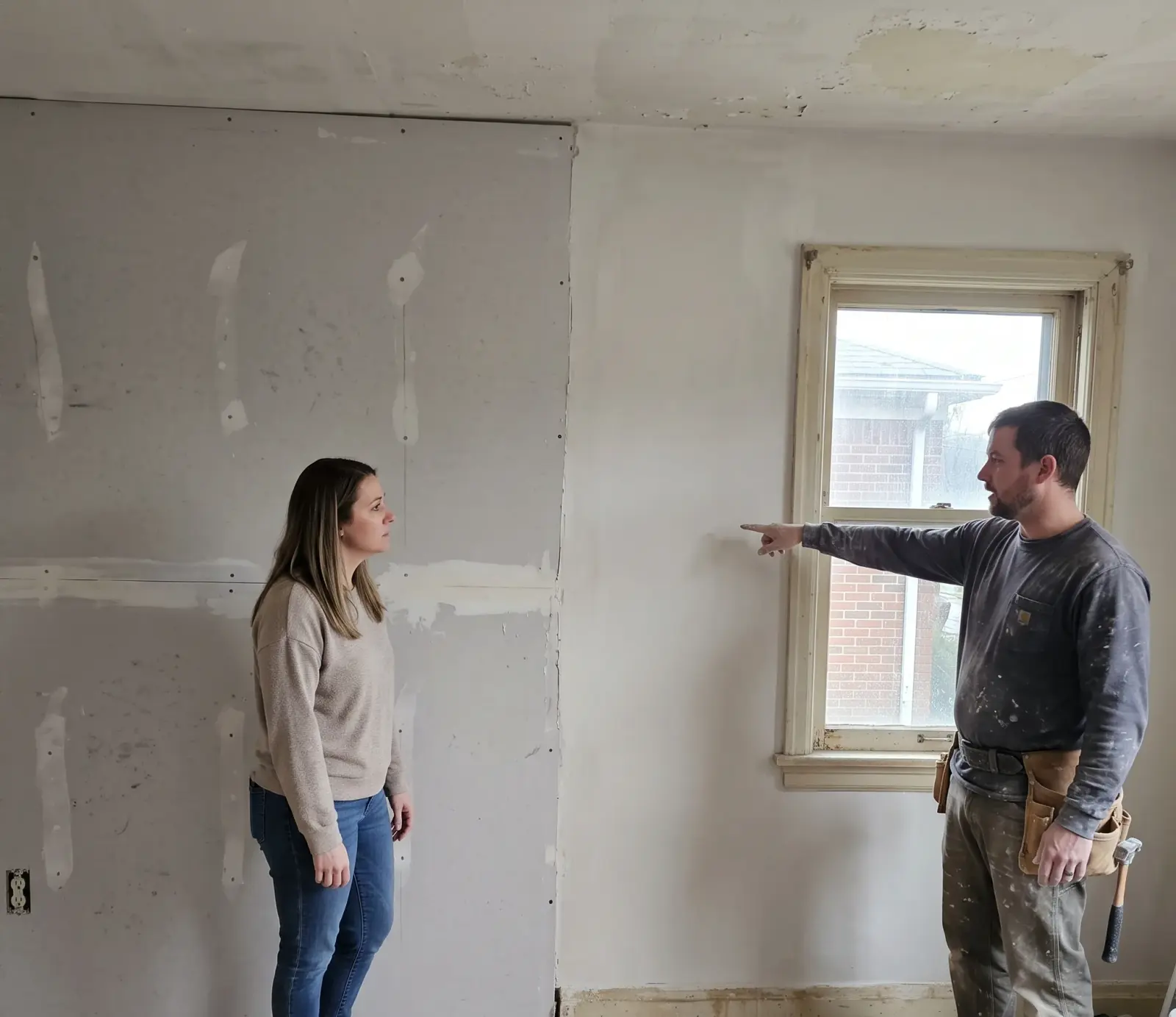
Walking Through Standing Water
A Carmel homeowner can use visible room conditions to decide when a wet route should stay closed and what observations to share for a professional assessment.
Read article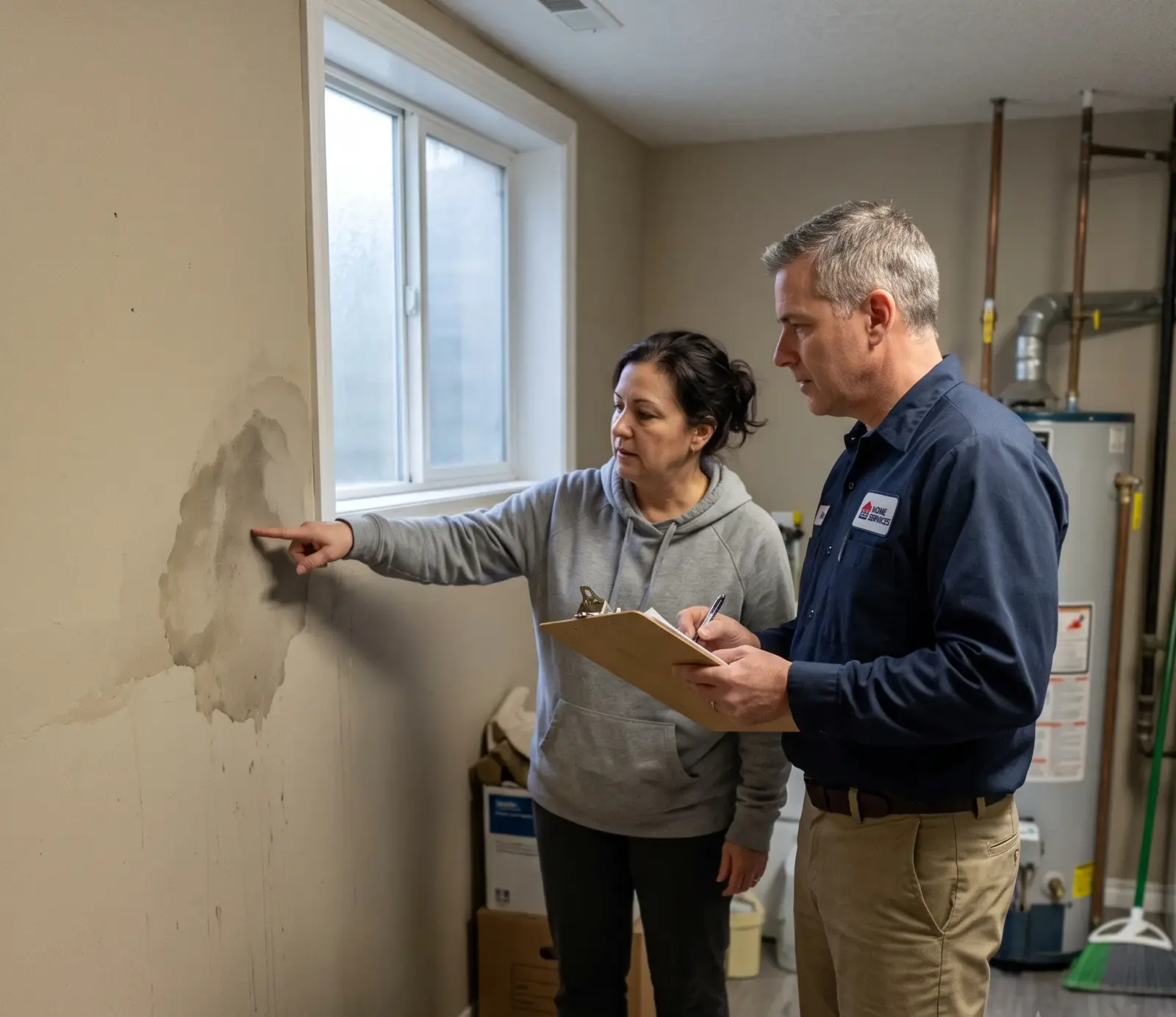
When water appears inside a Carmel home or business, extraction means lifting accessible pools with suitable removal equipment. Moisture held in flooring, walls, or other materials may call for a separate check and drying setup after the liquid is gone. A clear estimate can make it easier to compare the proposed removal work with any follow-up steps.
Practical notes on extraction, lingering dampness, and decisions to consider for Carmel homeowners.
A Carmel homeowner can use visible room conditions to decide when a wet route should stay closed and what observations to share for a professional assessment.
Read article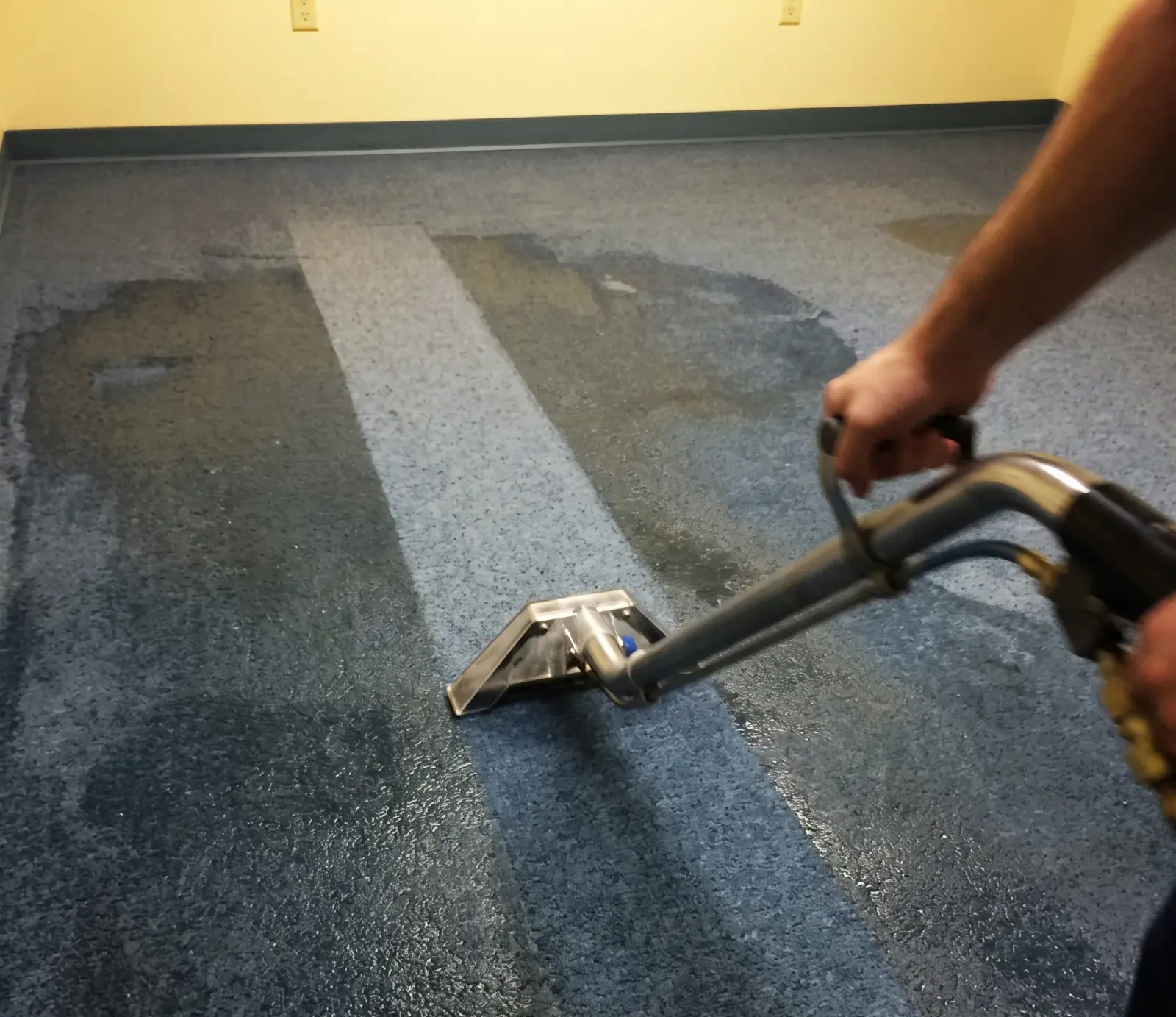
How long does emergency water extraction take in Carmel? See how water volume, room layout, surfaces, and access shape the duration estimate.
Read article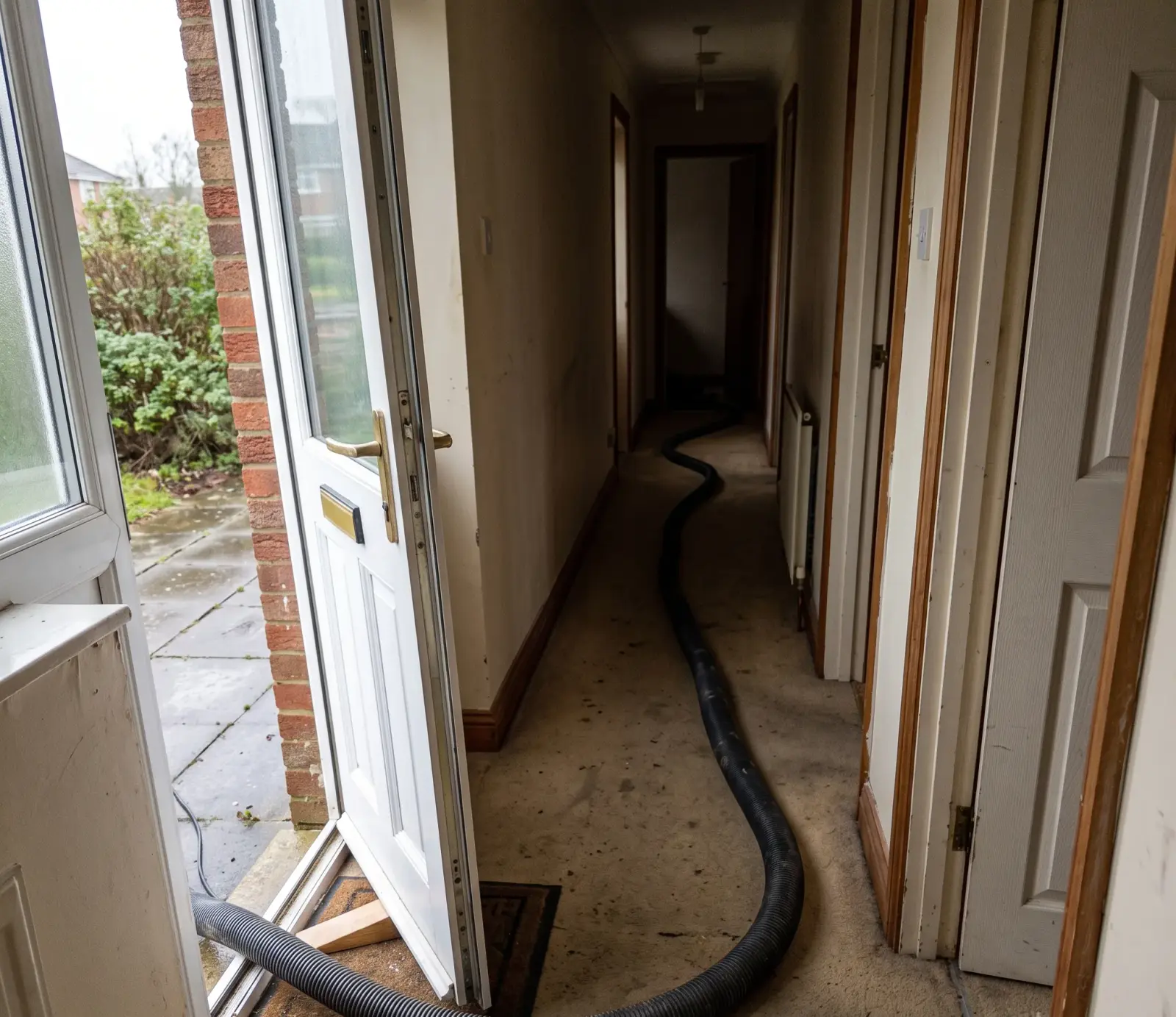
Seasonal rain and changing water conditions can shape an extraction request, but only a provider can confirm current availability and give a Carmel arrival estimate.
Read articleConfirm emergency water extraction coverage for your exact address directly with the pros we connect you with.
A homeowner in Carmel might find a pool by a doorway, while water in a utility area may be harder to reach because of stored belongings or tight access. Those conditions can change how much water can be removed and what equipment can be used. An owner near Midtown Plaza can point out each affected space and any access limits when discussing the estimate. The written scope should reflect the actual areas involved, rather than assume the same setup fits every room.
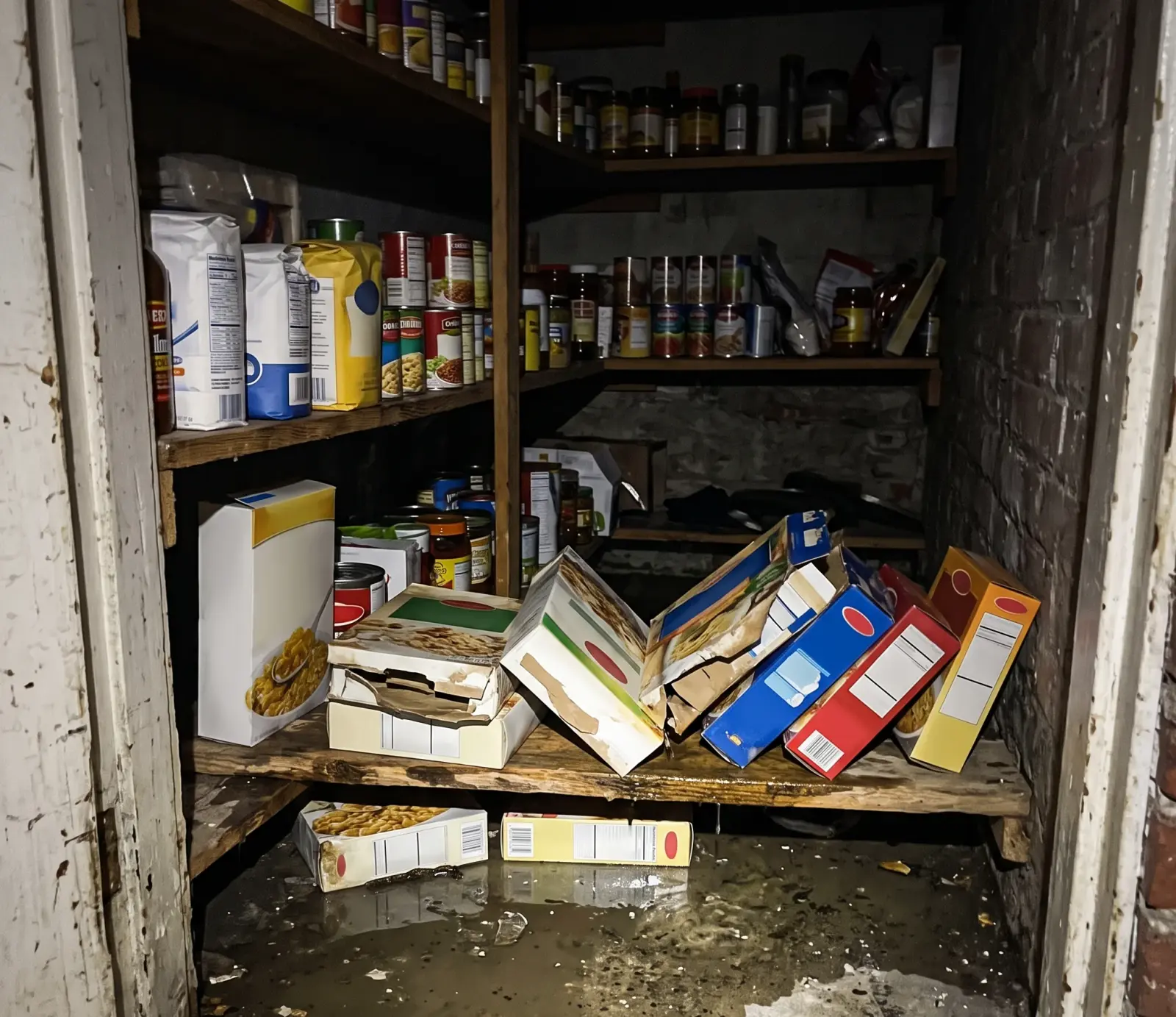
Check depth, spread, and source before pumping accessible basement water in Carmel.
View Basement Water Extraction help in Carmel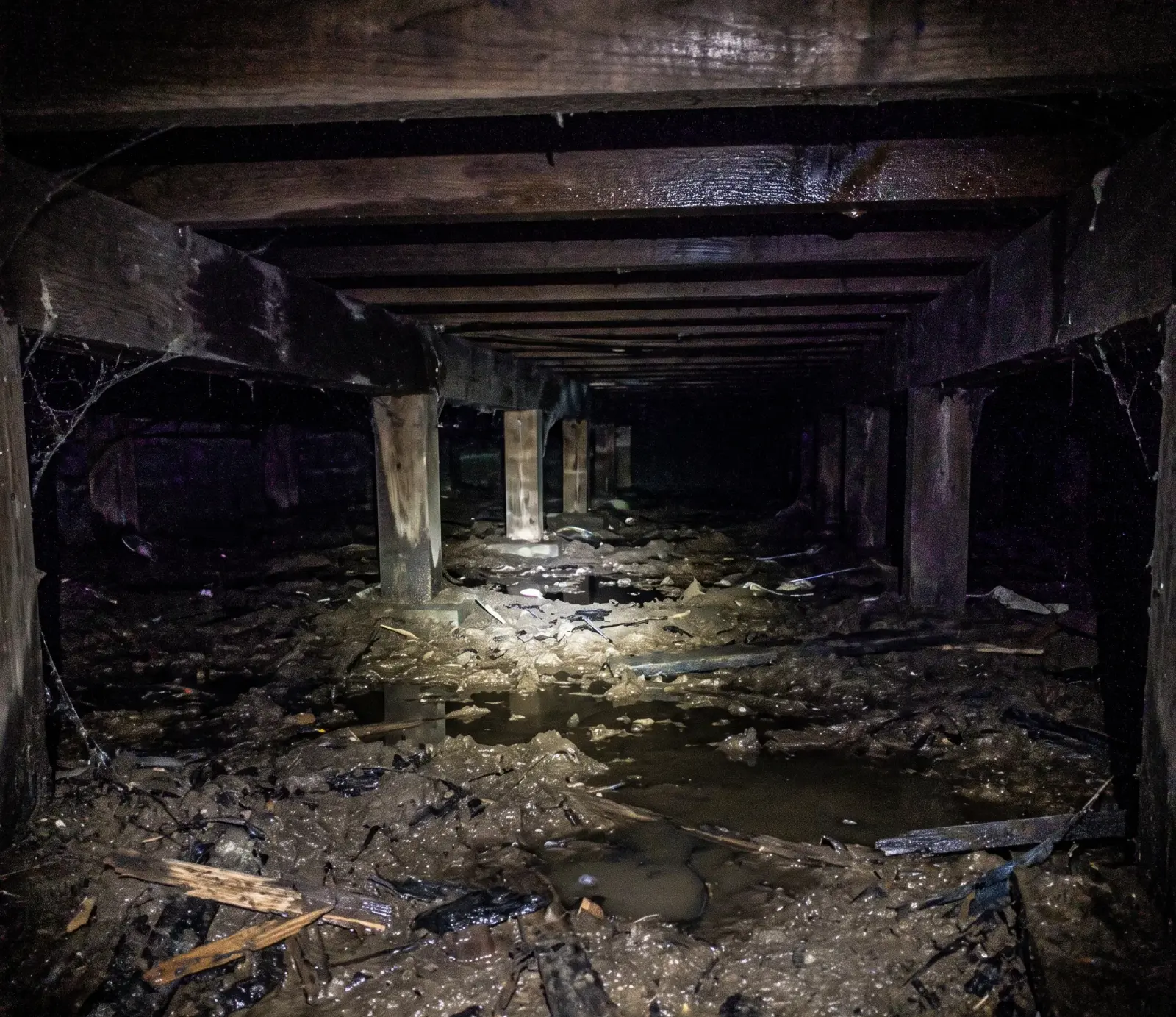
Compare DIY removal with professional extraction for pooled crawl-space water
View Crawl Space Water Extraction help in Carmel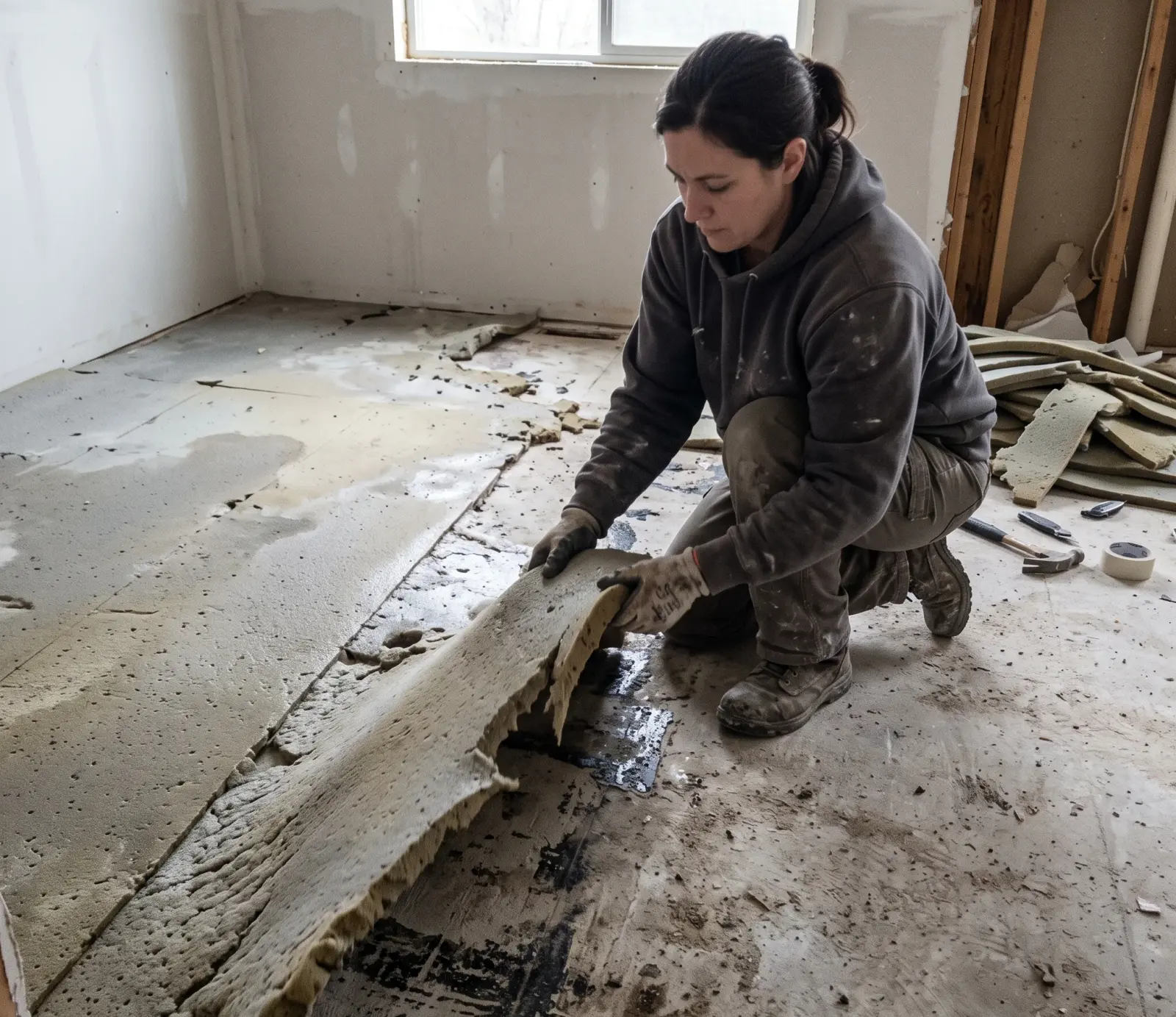
Check carpet reach, pad saturation and room access before extraction begins
View Carpet and Pad Water Extraction help in Carmel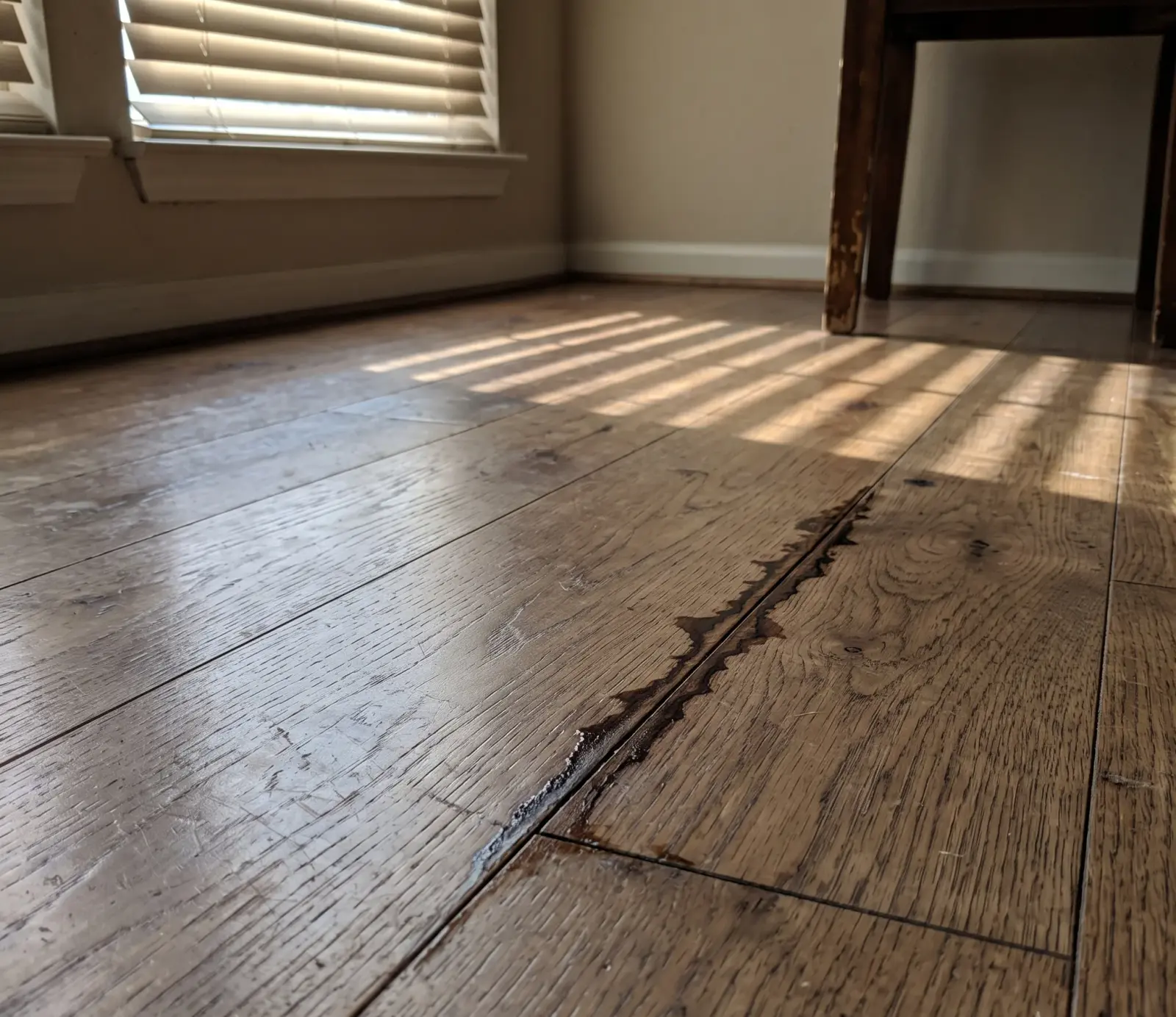
Carmel hardwood water pickup guided by board type and visible pooling
View Hardwood Floor Water Extraction help in CarmelRain ended, but a Carmel homeowner found water spreading across the basement floor before the day was out. Before collection starts, noting where water is visible can help keep the affected areas clear in the discussion. The immediate task is to collect pooled water from areas that can be reached. Near the Arts & Design District or along the Monon Greenway, the same questions matter: which spaces are affected, and what will the estimate include?
Separate standing water from damp walls or belongings when describing what happened in the basement.
Emergency Water Extraction in CarmelFor Westfield homes in ZIP 46074, pair the mailing city with a street address and a room-by-room account of visible water.
Emergency Water Extraction in WestfieldNoblesville coverage includes ZIP codes 46060 and 46062; the White River offers local context, not address-level flood evidence.
Emergency Water Extraction in NoblesvilleFishers estimates start with the home's address and visible impact; nearby waterways do not establish property-specific flood exposure.
Emergency Water Extraction in FishersA leak can leave a pool in one room, then carry water across floors before the owner sees how far it has spread. In Carmel, a call may start with water after an intrusion, wet flooring beyond the first room, or a damp patch that remains after the visible water is gone. Similar signs may prompt calls from the Nora–Carmel Edge or near Fashion Mall. A leak may come from plumbing, an appliance, or water entering through an opening. Water can reach beneath flooring and into lower wall materials, out of sight.
A waterline on a furnace base, storage bin, or stair riser can help show how high the pool has reached, even where the floor is hidden. From a dry position, the owner can note those marks and whether separate parts of the basement appear affected. Around Carmel’s Monon Greenway, homes and lots differ, so a visible mark at one property says nothing about another. Mapping the affected sections helps the provider estimate the accessible water and plan where to begin extraction.
Basement Water Extraction →A homeowner may see only a reflective patch from the hatch, with the rest of the crawl space hidden by joists or supports. That limited view makes it hard to judge how far water extends or whether a pump can reach it. From dry ground, note the visible pool’s direction and any landmarks inside that are already visible. Give those details when arranging an assessment; don’t crawl beneath the house to trace the water or test how deep it is.
Crawl Space Water Extraction →A carpet that gives under a step and rises slowly afterward may have water trapped beneath its fibers. The pile can feel heavier than the surrounding floor, even if a towel has picked up moisture from the top. In Carmel, describe which part of the room feels different and whether the soft area reaches a wall or doorway. Those details help the pros we connect you with judge where to check for water below the carpet before choosing an extraction approach.
Carpet and Pad Water Extraction →Water sitting in the joints between boards or gathered at a room’s low point gives the pro a clearer measure of the surface work than a damp-looking finish alone. In Carmel, note whether the pool is shallow or deep and whether it spans one area or several. Depth affects equipment choice, while connected rooms can expand the removal area. A homeowner’s description helps frame the estimate, but the pro should assess the floor before settling the scope.
Hardwood Floor Water Extraction →
Water across a floor can interrupt use of a room before the owner knows how far it traveled. Water may spread beneath rugs and furniture, leaving hidden damp spots after visible pooling is gone. The pros we connect you with can explain whether damp flooring or other materials need a separate moisture check and drying setup. Drying may take longer when moisture reaches layers beneath the visible surface. Near Monon Greenway, Midtown Plaza, or Carmel City Center, describe the affected areas and request a written estimate.
After rain pushed water across a utility-room floor in Carmel, the owner called before moving anything. The first questions are practical: which rooms or surfaces are wet, what may have brought water in, and whether anyone has noticed a safety concern. An address reference such as the Monon Greenway can help locate the property, but it does not explain the intrusion. The account can also note whether belongings near the wet area were affected.
Call (317) 799-9832 or use the online form. Include what you know about where the water came from, since that can shape the next questions. Ask the pros we connect you with about scheduling and any fee for a visit.
Ask what steps will protect belongings and nearby surfaces during water removal.
Before equipment is used, ask what precautions will keep people clear of the work area and have those measures written into the scope.
Ask what moisture readings, affected materials, or equipment locations will be recorded. If drying equipment is proposed, ask how noise and access needs will be handled.
A call in Carmel starts with three details: where water is visible, what may have brought it in, and whether anyone has flagged a concern about the area. From the Arts & Design District to Carmel City Center and the Monon Greenway, those facts guide what the pros we connect you with can inspect. On site, they assess accessible water and affected spaces, then explain the removal scope and its limits. The removal estimate can describe which work is included and where its limits are. Keep the written estimate with photos and claim papers for your records. Source repair, remediation, and rebuilding need separate scopes.
Note whether nearby belongings or surfaces are also damp, so the licensed pros we connect you with can understand what else may need attention.
Before service starts, ask what the visit will assess and get the planned removal tasks and charges documented.
Have the work plan separate water removal from moisture follow-up, and show repair of the leak or other source as a different task.
Ask how belongings and floor coverings can be protected during water removal.
When water crosses a room in a Carmel home, it can reach rugs, flooring, and items stored low before the source is obvious.
For a Carmel homeowner near Fashion Mall, a small pool can signal water moving beneath flooring or into adjoining rooms. That spread may continue while a visit is being arranged.
In Carmel, groundwater or poor drainage can push water into a basement, while a business may find pooled water after an intrusion. The first services to consider are Basement Water Extraction, Crawl Space Water Extraction, Carpet and Pad Water Extraction; extraction clears visible water, and damp materials may still need attention afterward.
For a call about a property near Fashion Mall, ask which wet areas the estimate includes and what removal method is planned. Clarify how remaining dampness will be assessed, then request the written scope and records of the work.
Covered communities span from Carmel and Westfield to Noblesville and Fishers across Hamilton. Water removal can focus on water inside a home and the areas it has reached.
Map Out the Next Move
Learn how extraction works, where moisture can remain, when drying may be discussed, and which records describe the agreed tasks.
The home guide covers precautions around indoor water, what extraction may involve, and details to settle before service at a residence.
If a provider uses technical words for moisture checks, drying equipment, or the work plan, ask for each term to be explained plainly.
Note whether water is still entering, which areas are pooled, and whether electrical hazards may be present.
On a Carmel call—whether the property is near Fashion Mall or elsewhere—ask the provider to explain how they will decide where to begin and how they will keep the owner informed as conditions change. A useful answer names the first decisions and who approves added work. Choose someone who answers plainly and puts agreed tasks in writing.
In Carmel, inspection and estimate charges depend on the provider and what the visit includes. Before scheduling, ask whether there is a fee, what the estimate covers, and which work would be priced separately. Write down the symptoms you have noticed so the visit can focus on the issues you want reviewed. Ask the pro you connect with to put the estimate’s scope and any charges in writing.
Yes. Ask for a written scope that says which parts of the property are included and what water removal work is planned there. A Carmel owner can also ask the provider to list work that is outside the estimate, such as later drying or repairs to the cause. Written details give both sides a reference if the plan changes after inspection.
A Carmel homeowner can take pictures from safe, dry areas before work begins, then save the estimate, invoices, and messages about any changes. Include wide views showing each affected room and closer images of visible damage to belongings or finishes. Keep the original files and note when they were taken. These records can help the owner describe the loss to an insurer.
A wet floor can connect a visible puddle to powered equipment beyond it, and the danger may not be obvious. Wet flooring can make footing uncertain, so avoid carrying items through the affected area. If the situation seems immediately dangerous, follow local emergency guidance. For a Carmel property, describe the location and what appears wet when seeking help.
After pooled water is gone, dampness may remain inside flooring or lower wall sections. Ask which affected materials should be checked before finishes are repaired. That process addresses moisture left in materials; it does not fix the event's cause or restore damaged finishes. For work at a Carmel home, ask that removal, drying, and repairs be described as separate tasks.
Read each estimate entry and check that it says what work is planned, where it will happen, and what the stated charge covers. Ask about vague labels, stated limits, and anything excluded. At a Carmel property near Historic Village, for example, the owner should be able to point to the specific rooms and tasks covered rather than rely on a broad service name.
The homeowner's insurer or insurance agent is the right contact to interpret the policy for this loss. Whether water removal is covered depends on the cause and the policy language; Carmel's local groundwater conditions alone do not determine coverage. Keep photos and notes about the damage for your own records.
If water is still entering a Carmel home, tell the provider that plainly and describe where it is coming from and which way it is moving. The owner can also contact a qualified person to address the source, since extraction does not stop water from continuing to enter. A home near Marott Woods Nature Preserve should be described by its street address; the surroundings do not establish its flood exposure.
Emergency water extraction is budgeted at $250–$1,300 for this work for initial planning. A connected provider sets the final amount after gauging water to remove, affected materials, access to the area, and the boundaries of the requested work.
When a leak or storm water reaches a Carmel home, tell the pros we connect you with whether the source appears ongoing and which areas are accessible; a request near the Design District can still involve very different conditions from another address. Ask when they can take the call, whether a visit carries a charge, and for a written account of removal and any later drying work. Move belongings only if you can reach them without crossing wet areas or putting yourself at risk.
Call (317) 799-9832